
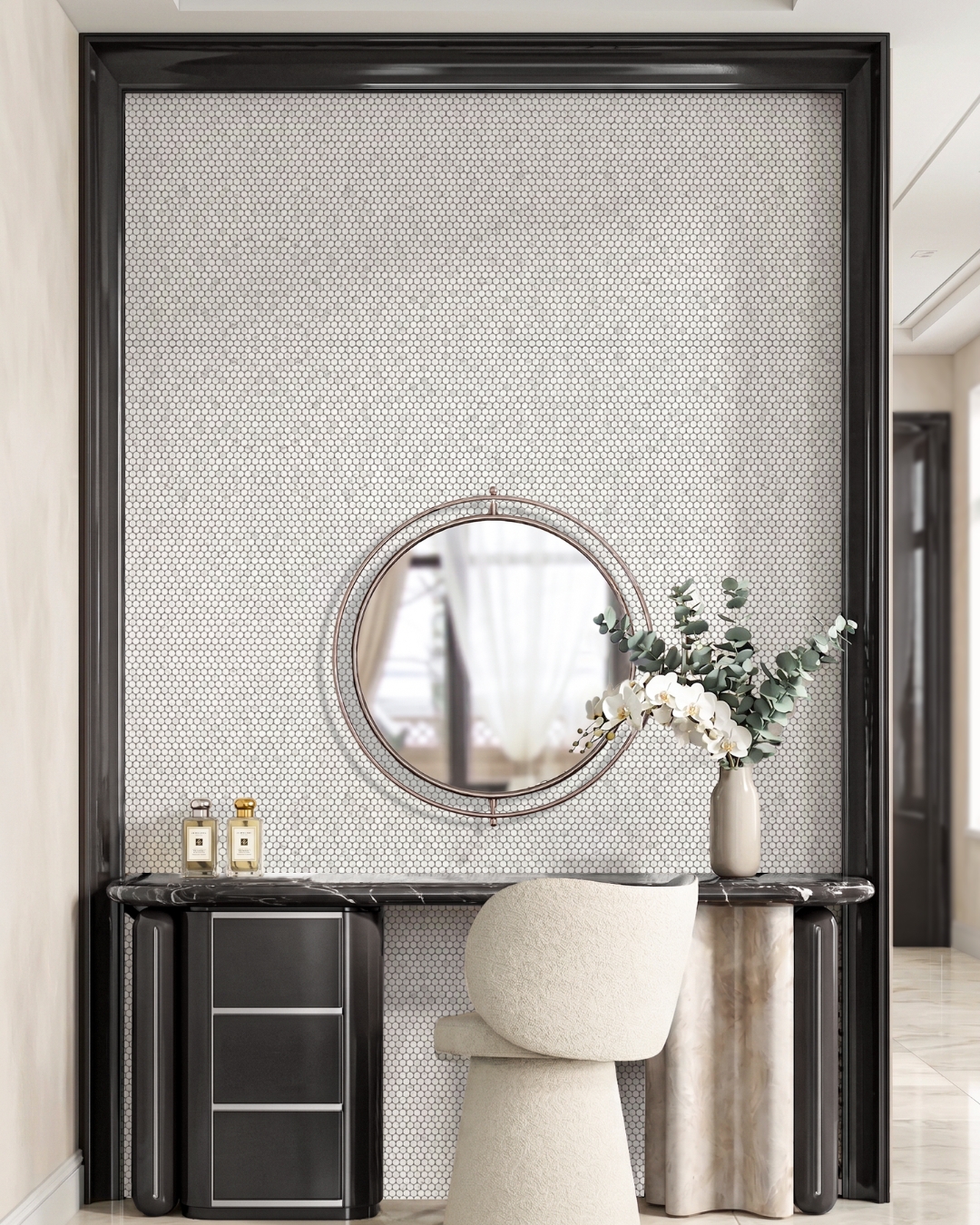
In a design world that has spent the last several years embracing oversized slabs and large-format tile, something smaller is making its way back into the spotlight.
Small-format tile and mosaics are becoming an increasingly important part of interiors, not because they compete with large-format materials, but because they offer something completely different.
From penny rounds and hexagons to dots, pickets, and compact field tile, smaller formats introduce texture, movement, pattern, and detail in ways larger pieces simply can’t. For showrooms, designers, and tile professionals, they also offer another way to show customers just how versatile natural stone can be.
CONTINUE READING ↓
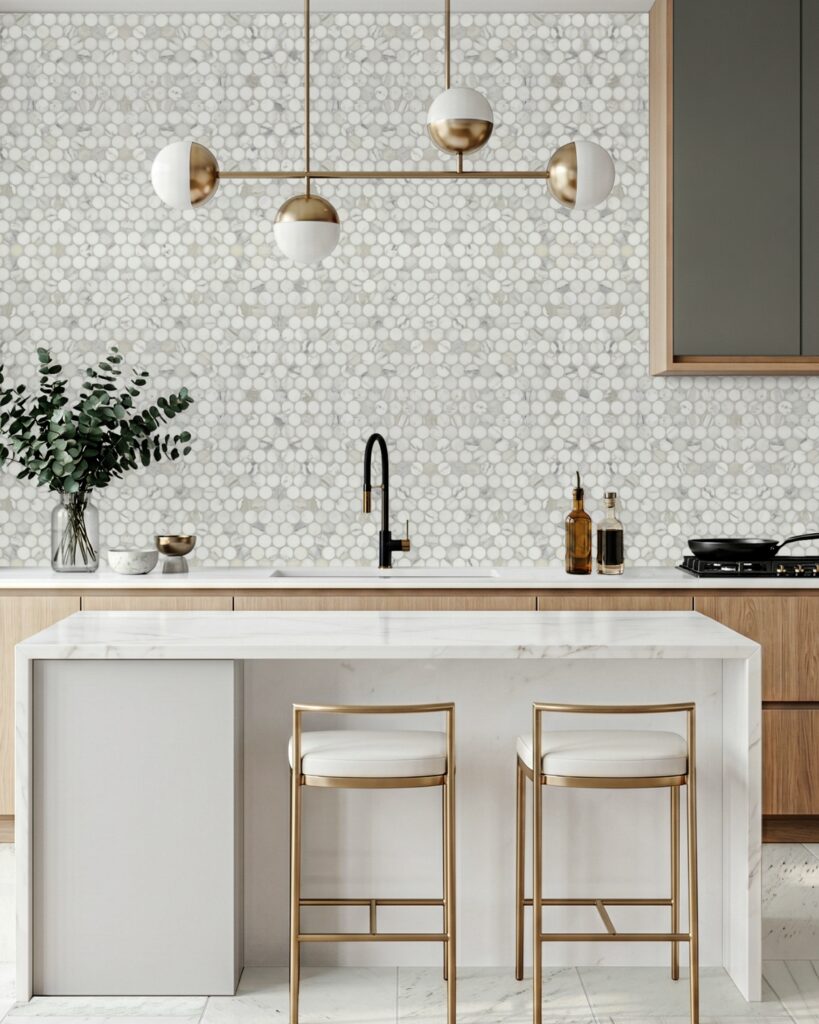
More Detail, More Design Possibilities.
The beauty of small-format tile lies in the repetition.
A stone that may appear subtle in a large field tile can take on an entirely different personality when cut into a mosaic. Individual pieces reveal shifts in veining, tone, and natural variation, while the grout joints create an additional layer of pattern.
That makes small-format stone especially effective when a space needs visual interest without relying on a bold color or heavily patterned material.
A classic white or softly veined marble, for example, can feel minimal as a large tile and much more dimensional as a penny round or hexagon.
Small Tile, Strategic Placement.
Going small doesn’t mean covering an entire room in mosaic.
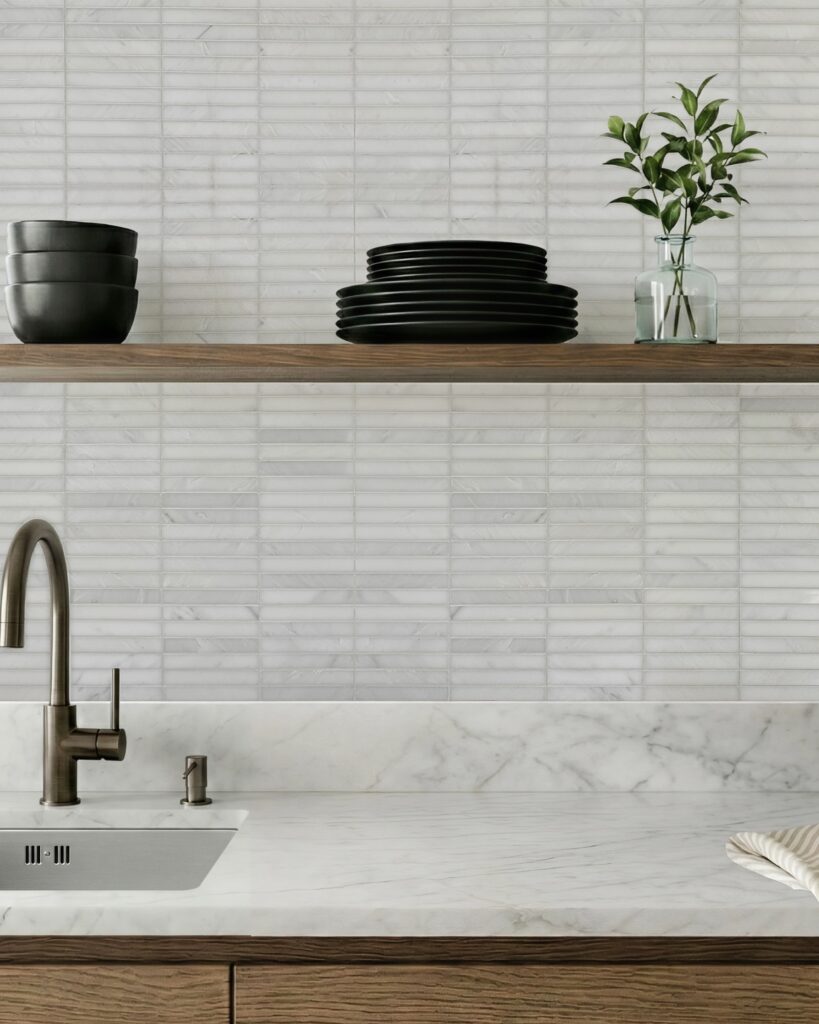
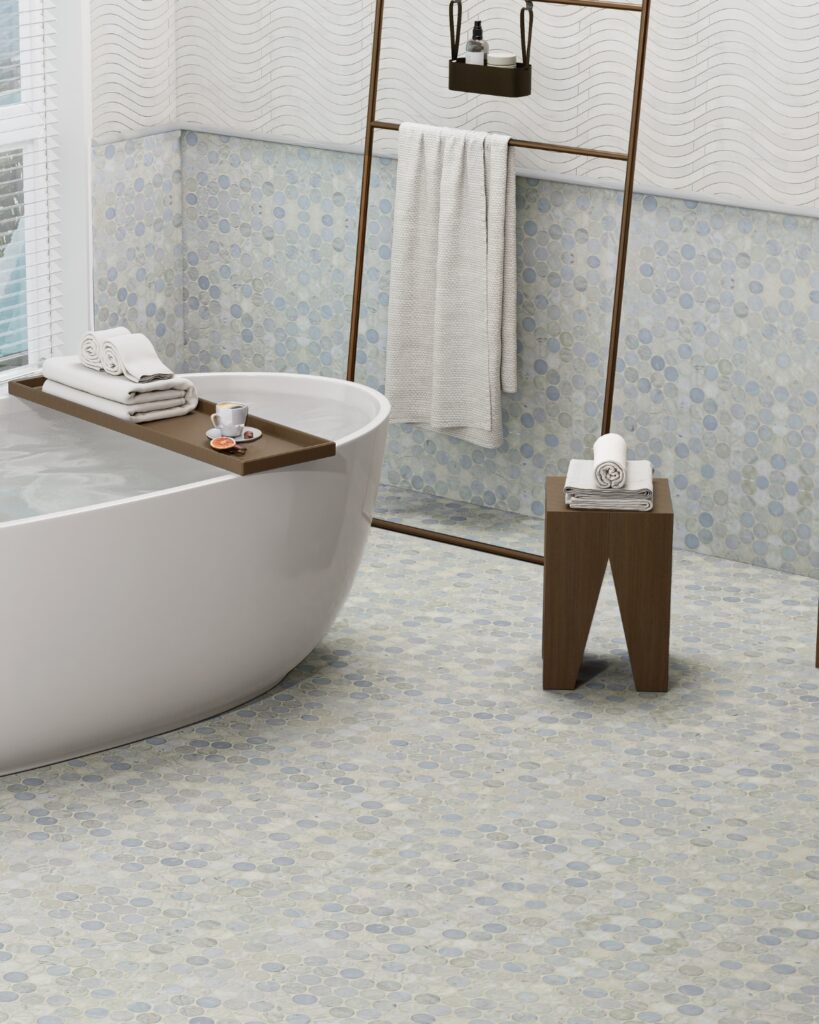
Some of the strongest applications use small-format tile in concentrated areas where its detail can have the greatest impact. Shower floors, niches, backsplashes, bar areas, powder rooms, fireplace surrounds, feature walls, and decorative borders are all opportunities to introduce a smaller scale.
It can also create a thoughtful contrast with larger-format materials. Pairing a 12” × 24” or 24” × 36” natural stone field tile with a coordinating mosaic like mini bars or penny rounds, for example, allows designers to work with different scales while maintaining a cohesive material palette.
That versatility also makes small-format products an important addition to showroom displays: customers can see how the same stone can transition from the primary surface to the finishing details of a project.
Shape Is Becoming Just as Important as Color
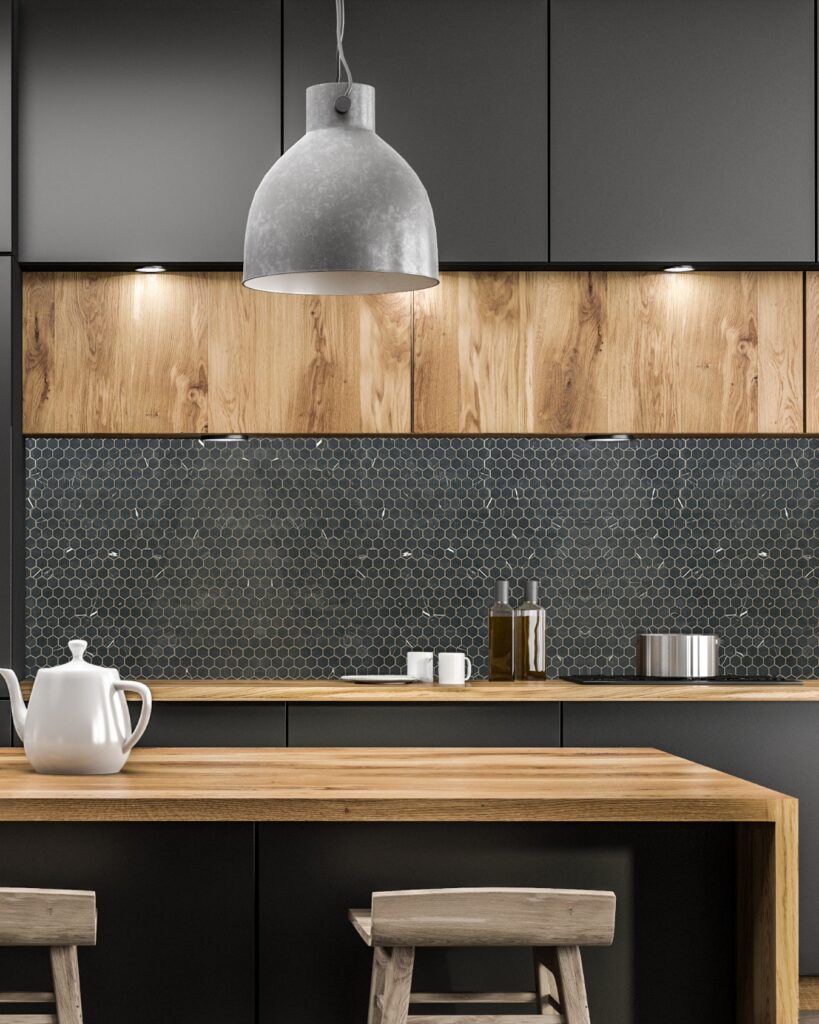
The conversation around tile is no longer only about choosing the right stone or color. Shape has become a design element of its own.
Penny rounds create softness through repetition. Hexagons introduce geometry while remaining timeless. Dots can add a subtle decorative detail, while elongated formats such as pickets create directional movement.
Even when produced from the same material, each format can completely change the way the stone reads in a finished space.
For designers, that opens the door to creating interest through scale and geometry rather than simply adding more color.
Small Format, Big Opportunities
For showrooms and designers, small-format tile offers another way to help clients personalize a project.
A customer may initially come in looking for a simple marble floor or backsplash, but showing that same material in a mosaic, hexagon, dot, or another specialty format can completely change the direction of the design.
At Allstone, our natural stone offering includes a range of field tile, mosaics, specialty shapes, and coordinating formats designed to give the trade more flexibility when specifying a project.
Because sometimes the smallest piece of stone can be the detail that makes the entire room.
Explore Allstone’s natural stone collections and discover the formats, finishes, and materials available for your next project.
0 Comments for “Small Scale, Big Impact: The Small Format Tile Trend”